London · July 5, 1687
Newton Publishes the Principia
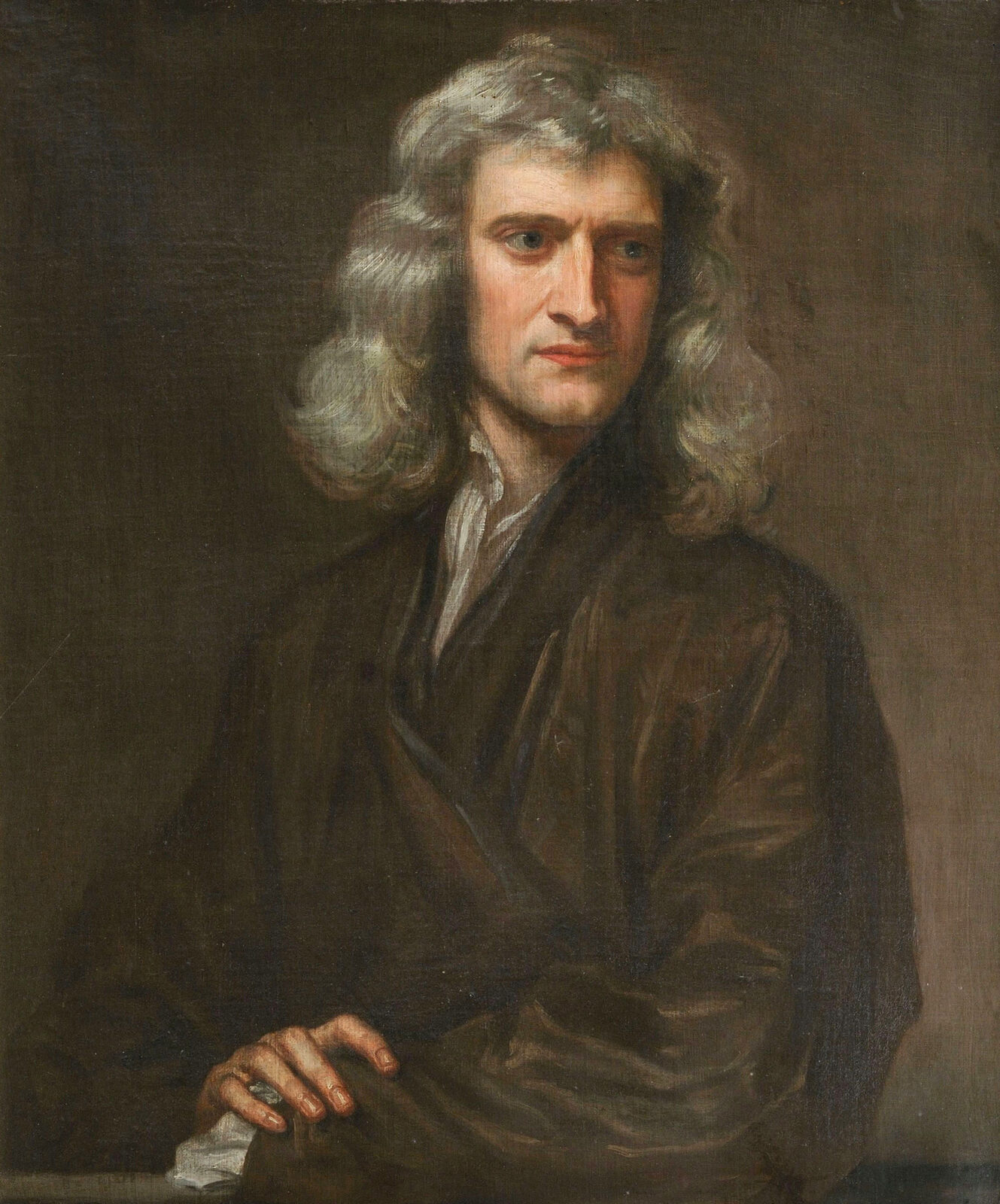
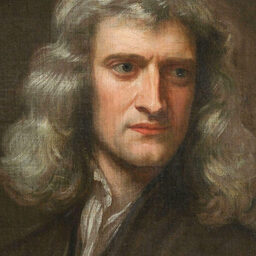
One law now explains both the heavens and the Earth. The English physicist and mathematician Isaac Newton publishes his Philosophiæ Naturalis Principia Mathematica. For the first time, a single law of gravity explains how the planets and the Moon move, why there are tides, and why things fall to the ground.
Idea by Isaac Newton·#5752
Every object pulls on every other object. The pull grows with their masses and weakens with the square of the distance between them. This one law explains the orbits of the planets and why things fall on Earth.
The state of the discussion
At this point, Newton’s law of gravity has no pending criticisms, so it’s rationally adoptable.
Use arrow keys ← →, the Previous and Next buttons above, or the timeline below to move through the history.Swipe left or right, or use the Previous and Next buttons above or the timeline below, to move through the history.
Source: Newton, Philosophiæ Naturalis Principia Mathematica (London, 1687)
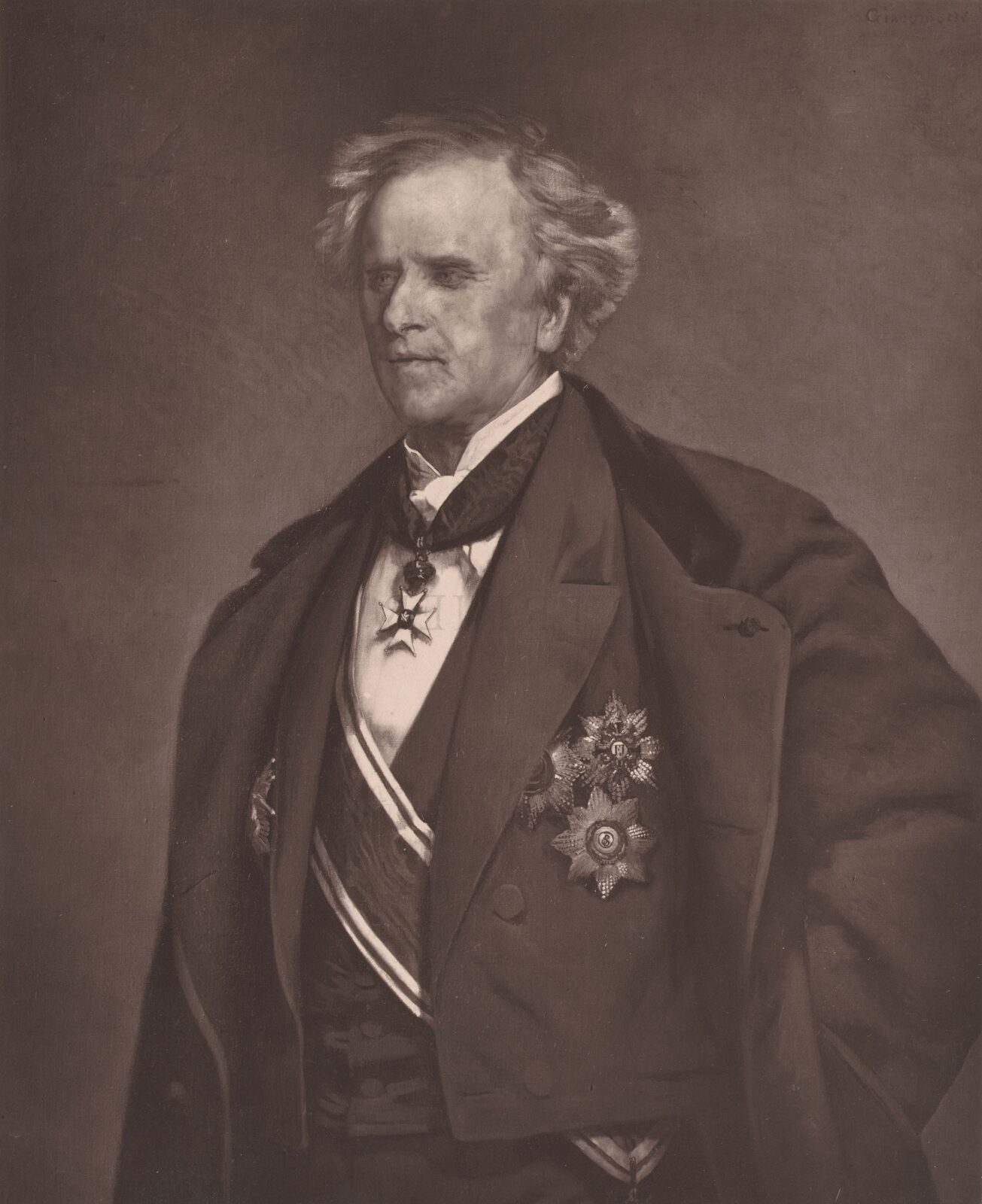
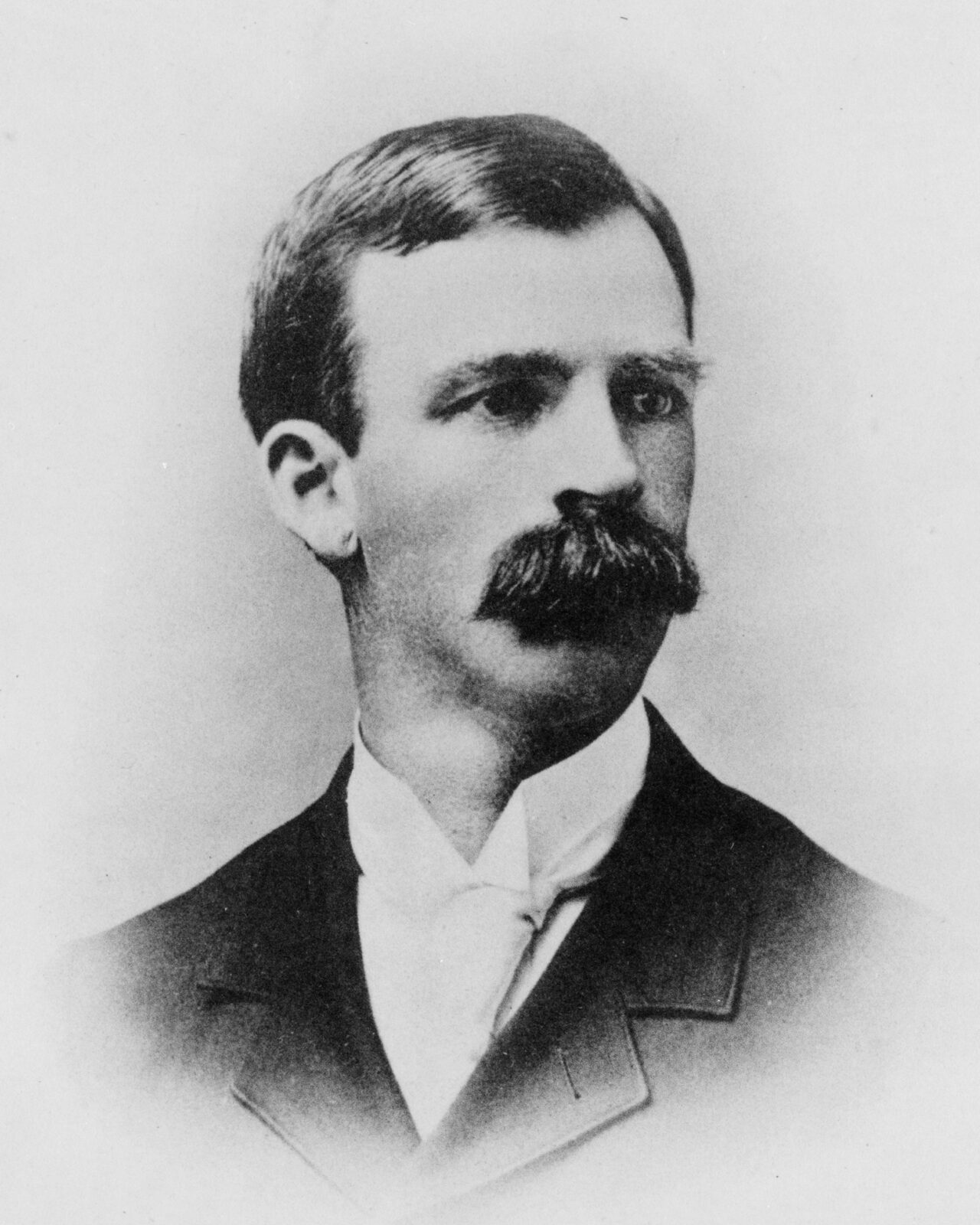
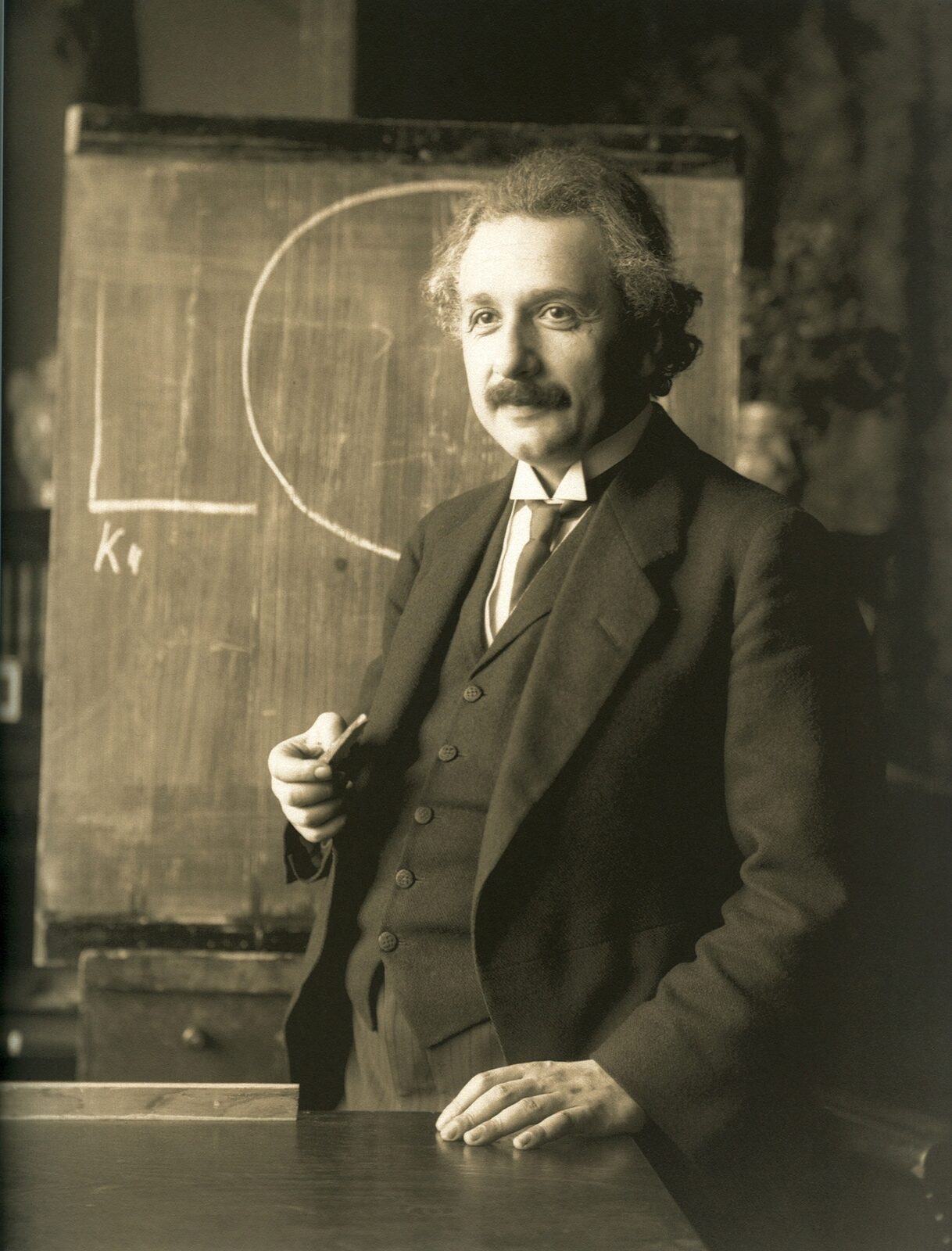
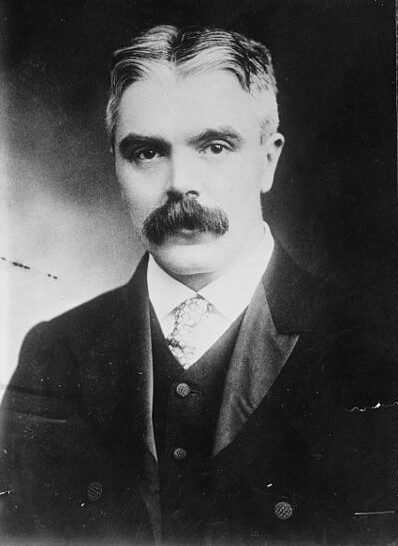
Comment on #5756 by William Wallace Campbell·#5757
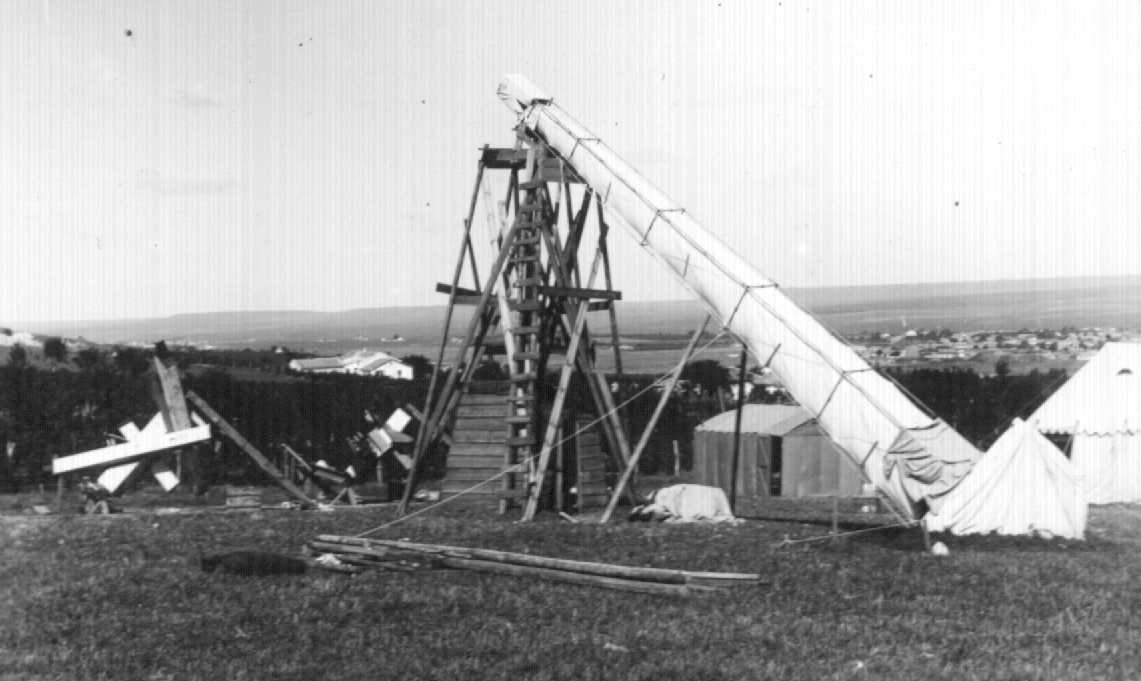
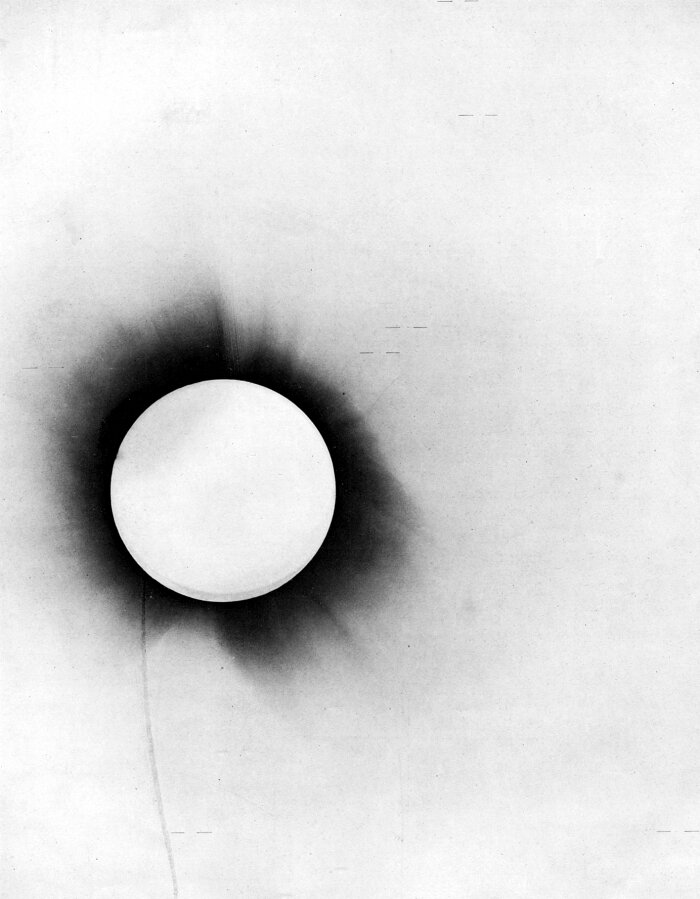
Clouds covered the Sun during the eclipse, so we couldn’t measure how much the starlight was bent.