London · November 6, 1919

The Eclipse Results Are Announced

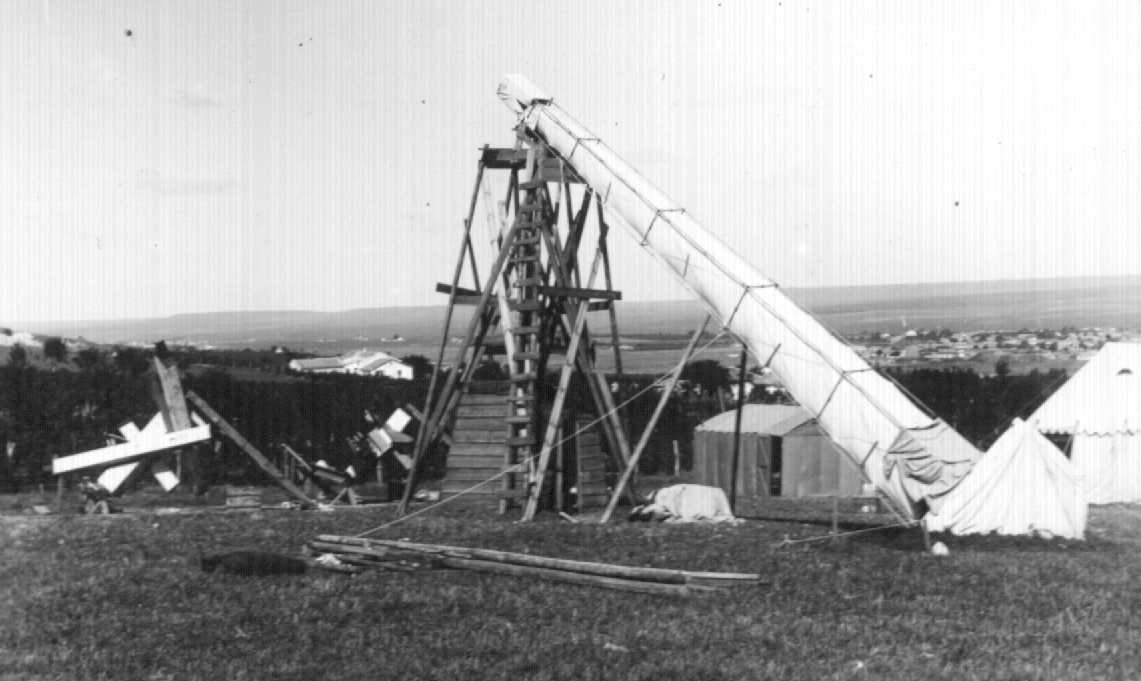
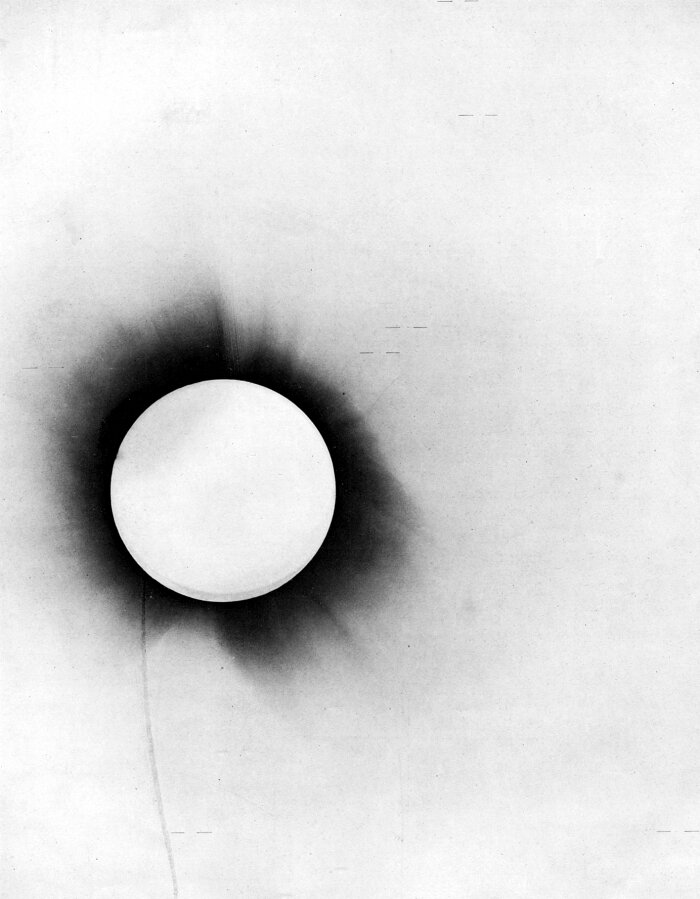
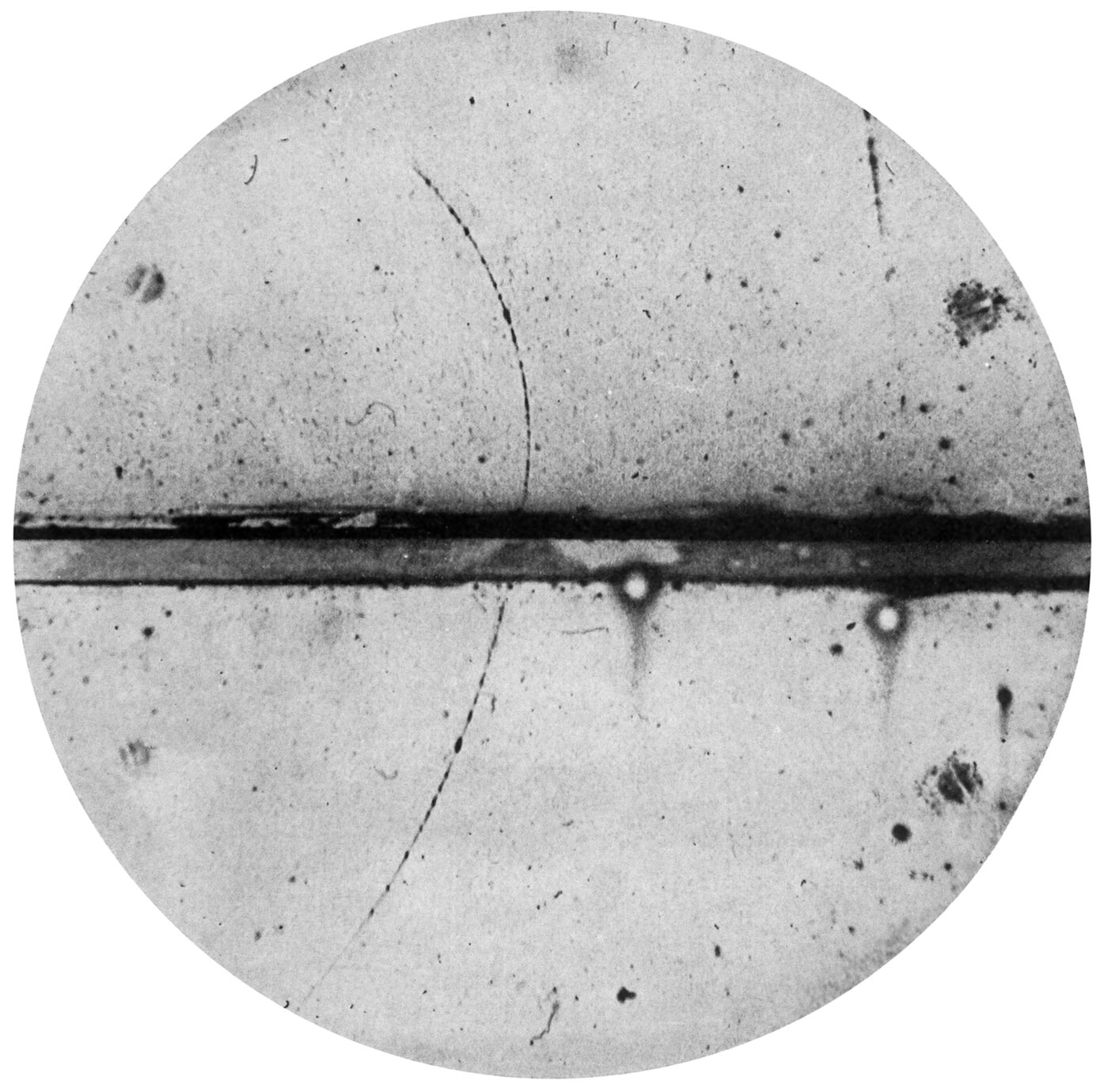
The eclipse of May 29, 1919, photographed at Sobral
The eclipse of May 29, 1919, photographed at SobralDyson, Eddington and Davidson, Philosophical Transactions A 220 (1920)

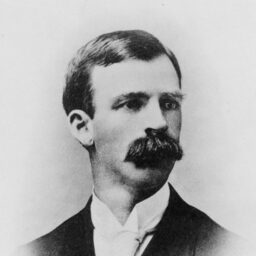
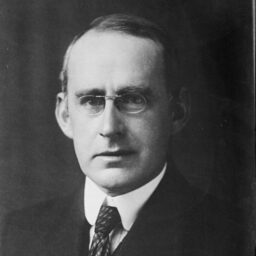
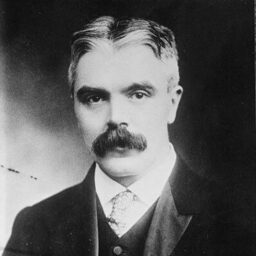
The eclipse photos are in, and they side with Einstein. During the total solar eclipse of May 29, 1919, two teams of British astronomers photographed the stars around the darkened Sun. Arthur Eddington went to the island of Príncipe, off West Africa. Andrew Crommelin and Charles Davidson went to Sobral, in Brazil. Dyson organized both trips. Now, at a joint meeting of the Royal Society and the Royal Astronomical Society in London, they report the results.

The starlight was bent by 1.98 arcseconds, as measured with one of the two telescopes at Sobral, and 1.61 at Príncipe. Measurements this fine are never exact, but both are close to Einstein’s 1.7, and far from the half of it that Newton’s law gives. The main Sobral telescope gave a smaller value, but its images were distorted, the astronomers judged, by the Sun’s heat on its mirror, and they set it aside. Historians still argue about that choice.

Weeks earlier, when the first news reached Einstein in a telegram, he showed it to a philosophy student, Ilse Schneider. She asked what he would have said if the eclipse had disagreed with him. As she recalled decades later, he answered: “I would have had to pity our dear God. The theory is correct all the same.”

Drag the eclipsed Sun, or watch it drift. Dots mark where stars really are, rings where they appear, pushed away as the Sun bends their light: general relativity’s bending, made several hundred times stronger.

Criticism of #5752 by Arthur Stanley Eddington​·​#5764

Starlight passing the Sun is bent about twice as much as Newton’s law allows.

Counter-criticism of #5763 by Frank Watson Dyson​·​#5765

The eclipse photos of 1919 show starlight bent by between about 1.6 and 2.0 arcseconds at the edge of the Sun, as general relativity predicts.

The state of the discussion

Newton’s law of gravity now has two pending criticisms, so it still isn’t rationally adoptable. General relativity has been rehabilitated.

Use arrow keys ← →, the Previous and Next buttons above, or the timeline below to move through the history.Swipe left or right, or use the Previous and Next buttons above or the timeline below, to move through the history.

Sources:

  • Dyson, Eddington and Davidson, “A Determination of the Deflection of Light by the Sun’s Gravitational Field”, Philosophical Transactions of the Royal Society A 220 (1920), 291–333
  • Ilse Rosenthal-Schneider, Reality and Scientific Truth: Discussions with Einstein, von Laue, and Planck (Detroit, 1980), 74

Researched and written with the help of AI, from the sources named. AI can make mistakes. Veritula doesn’t claim perfect historical accuracy; the sources are there to check against.

The full discussion

How Mercury and Starlight Overthrew Newton

Dennis Hackethal started this discussion 2 days ago.

Search​·​Activity

For two centuries, Newton’s law of gravity passed every test but one: a slight drift in Mercury’s orbit. Einstein’s explanation revolutionized our view of space and time.


Discussions can branch out indefinitely. You may need to scroll sideways.
The discussion as it was on November 6, 1919. Chronicle discussions are read-only. Jump to the present
Isaac Newton’s avatar
Isaac NewtonHistorical profile​·​#5752​·​July 5, 1687​·​AI-assisted

Every object pulls on every other object. The pull grows with their masses and weakens with the square of the distance between them. This one law explains the orbits of the planets and why things fall on Earth.

Criticized2
Urbain Le Verrier’s avatar
Urbain Le VerrierHistorical profile​·​#5753​·​September 12, 1859​·​AI-assisted

Mercury’s perihelion moves about 38 arcseconds per century more than Newton’s law predicts from the pull of the known planets.

Criticism of #5752
Urbain Le Verrier’s avatar
Urbain Le VerrierHistorical profile​·​#5754​·​September 12, 1859​·​AI-assisted

Newton’s law isn’t wrong. Unseen matter inside Mercury’s orbit, a planet or a ring of small bodies, would explain the difference. That’s how the unseen Neptune explained the odd motion of Uranus.

Criticism of #5753Criticized1
William Wallace Campbell’s avatar
William Wallace CampbellHistorical profile​·​#5755​·​May 1909​·​AI-assisted

Photographs from the eclipses of 1901, 1905, and 1908 show no planet inside Mercury’s orbit big enough to explain its motion. Whatever moves Mercury’s perihelion, it isn’t a planet, or anything else bright enough to photograph.

Criticism of #5754
Arthur Stanley Eddington’s avatar
Arthur Stanley EddingtonHistorical profile​·​#5764​·​November 6, 1919​·​AI-assisted

Starlight passing the Sun is bent about twice as much as Newton’s law allows.

Criticism of #5752
Albert Einstein’s avatar
Albert EinsteinHistorical profile​·​#5759​·​November 18, 1915​·​AI-assisted
2nd of 2 versions

Gravity isn’t a force pulling across empty space. It’s the bending of space and time by matter and energy. Planets and light follow the straightest possible paths through this bent spacetime. Starlight passing the edge of the Sun is bent by about 1.7 arcseconds.

Albert Einstein’s avatar
Albert EinsteinHistorical profile​·​#5761​·​November 18, 1915​·​AI-assisted

General relativity has to explain the extra movement of Mercury’s perihelion, which Newton’s law can’t.

Criticism of #5759Criticized1
Albert Einstein’s avatar
Albert EinsteinHistorical profile​·​#5762​·​November 18, 1915​·​AI-assisted

General relativity explains it. It makes Mercury’s perihelion move 43 arcseconds per century more than Newton’s law does, with no hidden matter needed.

Criticism of #5761
Frank Watson Dyson’s avatar
Frank Watson DysonHistorical profile​·​#5763​·​March 1917​·​AI-assisted

Einstein’s prediction that the Sun bends starlight by 1.7 arcseconds hasn’t been tested yet. The eclipse of May 29, 1919, can test it, since the Sun will be among the many bright stars of the Hyades.

Criticism of #5759Criticized1
Frank Watson Dyson’s avatar
Frank Watson DysonHistorical profile​·​#5765​·​November 6, 1919​·​AI-assisted

The eclipse photos of 1919 show starlight bent by between about 1.6 and 2.0 arcseconds at the edge of the Sun, as general relativity predicts.

Criticism of #5763
  • Rationally adoptable.
  • Not rationally adoptable.
  • Older versions with pending criticisms.
  • Ideas are blue, criticisms red, comments small and gray.
  • Hover over ideas to expand them.
  • Click on ideas to jump to their place in the discussion.